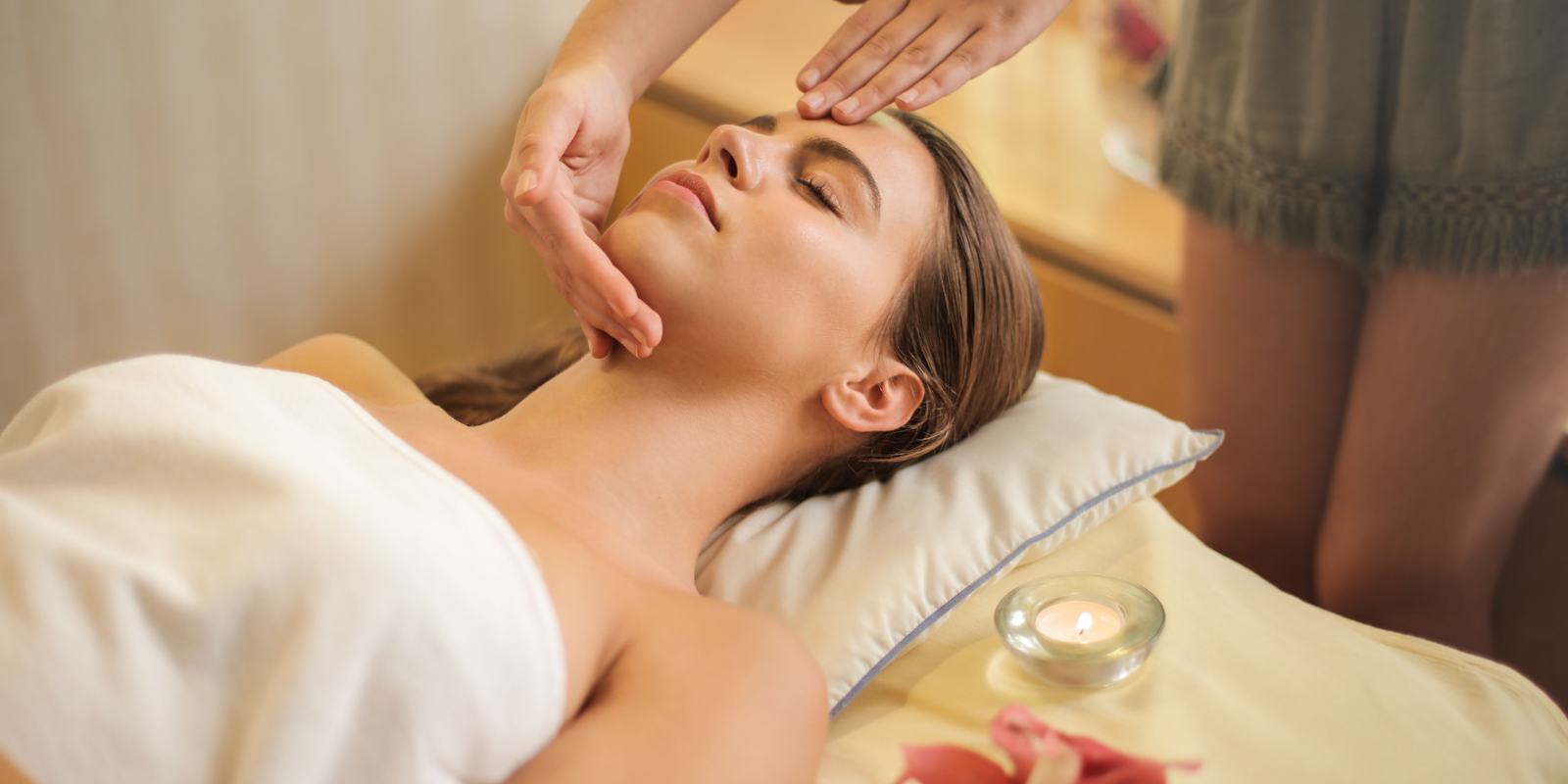
In today’s fast-paced world, finding time to relax can feel like another task on an already busy schedule. Between professional responsibilities, family commitments, daily travel, and hours spent looking at screens, many people forget to give themselves time to slow down.
Over time, a demanding routine may leave you feeling physically tired, mentally overwhelmed, or unable to switch off even when the day is over. This is why creating small, consistent moments of self-care can be an important part of maintaining overall well-being.
Massage is one way to make relaxation a more intentional part of your routine. By providing time away from everyday distractions and focusing on physical comfort, a suitable massage can offer a calming experience.
At Allure Thai Spa & Wellness, we believe that wellness is not just about taking a break when you feel exhausted. It is also about developing habits that help you make time for yourself.
Why Is Relaxation Important for a Busy Lifestyle?
Many people spend most of their day moving from one responsibility to another. Even leisure time can become filled with mobile notifications, social media, and unfinished tasks.
Without enough opportunities to rest, you may find it difficult to separate work from personal time. You might also notice that your shoulders feel tight after sitting for hours or that you remain mentally occupied long after finishing your daily responsibilities.
Building a relaxation routine can help you become more intentional about how you spend your free time.
Simple habits such as taking short walks, stretching gently, enjoying a quiet evening, maintaining a regular sleep schedule, and occasionally choosing a relaxing massage can complement a balanced lifestyle.
Relaxation looks different for everyone. The key is to find activities that help you feel comfortable and that fit naturally into your daily routine.
1. Understand What Your Body Needs
One of the first steps towards better self-care is paying attention to how you feel throughout the day.
Do your shoulders feel tight after working at a computer? Do your legs feel tired after travelling? Do you find it difficult to relax after a physically demanding day?
These experiences can have different causes, but they can remind you to make time for rest and movement.
A massage may help some people experience temporary relief from certain types of muscular discomfort. The appropriate technique depends on personal preferences, physical condition, and comfort level.
For example, a gentle relaxation massage may suit someone looking for a calming experience, while another person may prefer a traditional Thai massage that incorporates assisted stretching.
Rather than choosing a treatment simply because it is popular, consider what you want from the experience and discuss your preferences with the therapist.
2. Discover the Difference Between Massage Techniques
Massage is not a one-size-fits-all experience. Different techniques use different movements, pressure levels, and approaches to working with soft tissues.
Swedish Massage for Gentle Relaxation
Swedish massage generally involves flowing strokes and kneading. It is commonly chosen by people who prefer a gentle or moderate-pressure experience.
This style may be a suitable starting point if you are new to massage and want to understand how your body responds to touch.
Traditional Thai Massage for Movement and Stretching
Thai massage combines rhythmic pressure with assisted stretching and movement. Its approach differs from massage styles that primarily use continuous gliding strokes.
People who enjoy movement-based treatments may find this style appealing, provided the techniques are appropriate for their physical condition.
Balinese Massage for a Calming Experience
Balinese massage traditionally combines techniques such as long strokes, kneading, and pressure. The experience can be adapted according to the particular treatment and the individual’s comfort.
Deep Tissue Massage for Focused Pressure
Deep tissue massage uses slower strokes and firmer pressure to work on deeper layers of muscle and connective tissue. It may suit certain people experiencing muscular tightness, but firmer pressure is not automatically more effective or appropriate.
Whichever style you choose, communicate openly about your pressure preferences and any areas of discomfort.
3. Create a Better Balance Between Work and Rest
A healthy routine does not require dramatic lifestyle changes. Often, small adjustments are easier to maintain over time.
If your work involves long hours at a desk, stand up periodically and take short walking breaks. If you spend much of your day travelling, allow yourself time to unwind when you return home.
You can also establish simple boundaries around your personal time. For example, set aside a few minutes without your phone, enjoy a meal without distractions, or create a calming evening routine.
A spa visit can complement these habits by providing dedicated time to step away from everyday responsibilities.
Remember that massage is only one part of a balanced approach to well-being. Adequate sleep, regular movement, nutritious food, and appropriate medical care remain important.
4. Choose a Spa Experience That Prioritises Comfort
The environment and quality of communication can influence how comfortable you feel during a massage.
When choosing a spa, consider factors beyond the treatment name or price. Cleanliness, professional conduct, clear service information, and respect for personal boundaries are important.
Before booking, check which massage styles are available and whether the therapist can adjust the pressure to your preferences.
A professional consultation should provide an opportunity to discuss your expectations, relevant health concerns, and any movements or positions that may be uncomfortable.
You should always feel comfortable asking questions or requesting a change in pressure during the session.
5. Make Time for Yourself Without Feeling Guilty
Many people prioritise work, family, and other responsibilities while postponing their own needs. However, making time for personal well-being does not have to mean neglecting other commitments.
Even a short period of uninterrupted rest can give you an opportunity to pause and reset your daily pace.
You might spend time reading, listening to music, enjoying nature, practising gentle breathing exercises, or arranging a massage when it suits your needs.
The purpose is not to turn relaxation into another obligation. Instead, it is to recognise that personal time has a place in a sustainable lifestyle.
6. What Should You Expect During a Professional Massage?
If you have never experienced a professional massage, knowing what happens during a session can make the experience more comfortable.
A typical session begins with a discussion about your preferences, treatment goals, and any relevant health considerations.
The therapist should explain the selected technique and help you understand what to expect. You can communicate whether you prefer light, moderate, or firmer pressure.
During the session, the therapist applies the agreed techniques while respecting your comfort, privacy, and boundaries.
Afterwards, you may feel relaxed or notice temporary changes in muscular comfort. Individual responses vary, and a massage should not be expected to resolve every physical discomfort or health concern.
If you have an injury, significant pain, or a medical condition that may affect the suitability of massage, seek appropriate medical advice before proceeding.
7. Build a Sustainable Wellness Routine
A wellness routine is most useful when it fits your lifestyle and feels manageable.
Start by identifying the parts of your day when you most need a break. You might benefit from short movement breaks during work, a regular bedtime, or a quiet period after returning home.
If you enjoy massage, consider it an optional addition to your self-care routine rather than something you must schedule at a fixed frequency.
Pay attention to your comfort and how you feel afterwards. Choose treatments that suit your preferences, and adjust your routine as your needs change.
Consistency in simple habits is often more practical than relying on occasional, dramatic changes.
Experience Personalised Relaxation at Allure Thai Spa & Wellness
At Allure Thai Spa & Wellness, we understand that every individual has different preferences when it comes to relaxation and massage.
Whether you are exploring traditional Thai massage, looking for a calming massage experience, or simply making time for yourself after a busy week, understanding the available treatments can help you choose an option that suits your needs.
A thoughtful approach to massage begins with communication, comfort, and selecting the right technique for your individual preferences.
Explore the massage services offered by Allure Thai Spa & Wellness and discover an experience that complements your personal wellness routine.
Frequently Asked Questions
Is massage a good addition to a wellness routine?
Massage may be a useful addition for people who enjoy its relaxing effects or experience temporary relief from certain types of muscular discomfort. It should complement, rather than replace, healthy daily habits and appropriate medical care.
Which massage is suitable for beginners?
People new to massage may prefer starting with a gentle or moderate-pressure treatment, such as Swedish massage. Discuss your preferences with the therapist before choosing a technique.
Does a relaxing massage need to involve firm pressure?
No. A relaxing massage can use gentle or moderate pressure. The appropriate intensity depends on your preferences, physical condition, and treatment goals.
How can I prepare for a massage session?
Share your preferences and relevant health concerns with the therapist, arrive with enough time to settle in, and communicate if any technique feels uncomfortable.
What should I do after a massage?
Allow yourself time to rest if needed, drink water according to your usual hydration needs, and return to activities as you feel comfortable. Seek medical advice if you experience significant or persistent pain or other concerning symptoms.